Get Free Consultation!
We are ready to answer right now! Sign up for a free consultation.
I consent to the processing of personal data and agree with the user agreement and privacy policy

We are ready to answer right now! Sign up for a free consultation.
I consent to the processing of personal data and agree with the user agreement and privacy policy
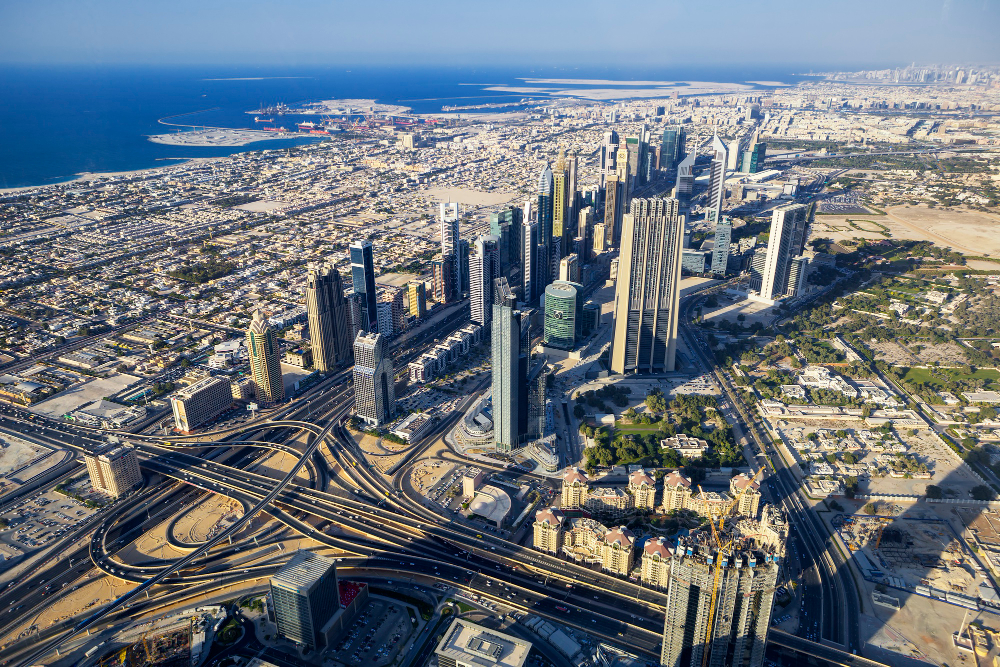
Dubai is establishing itself as a leading global destination for luxury real estate, with fractional ownership emerging as a transformative model that will reshape property development. By allowing multiple investors to co-own high-value assets, fractional ownership introduces new dynamics that could redefine the luxury real estate landscape. Here’s how it is poised to influence the future of luxury development in Dubai.
Fractional ownership democratizes luxury real estate, allowing a wider range of investors to enter the market. This increased accessibility is expected to drive demand for luxury properties, prompting developers to diversify their offerings to cater to various investor profiles, including younger buyers and expatriates.
As fractional ownership gains traction, developers will be motivated to focus on high-quality, distinctive properties that stand out in a competitive market. Investors will seek not just potential appreciation but also exceptional experiences and amenities, leading to innovative designs and sustainable practices in luxury developments.
The fractional ownership model may encourage the creation of mixed-use properties that blend residential, commercial, and recreational spaces. These developments can meet the diverse needs of fractional investors, offering luxury living alongside retail, dining, and entertainment options, thus fostering vibrant communities.
With fractional ownership allowing for rental income, developers will increasingly design properties attractive to short-term renters. This trend will likely result in luxury properties tailored for the short-term rental market, equipped with amenities that appeal to tourists and business travellers, enhancing investment potential.
The rise of fractional ownership will likely spur the adoption of technology and smart solutions in luxury real estate. Developers may incorporate smart home technologies and advanced property management platforms to streamline fractional ownership arrangements, improving the overall investor experience.
As environmental awareness grows, fractional ownership may drive the development of sustainable luxury properties. Investors are increasingly seeking eco-friendly options, and developers prioritizing green practices will likely attract more interest, contributing to a more responsible real estate market in Dubai.
As fractional ownership becomes more common, Dubai’s regulatory framework will need to adapt. Developers will play a key role in advocating for clear regulations that protect investors and ensure transparency, enhancing confidence in fractional ownership arrangements.
Effective management of shared properties will require collaboration between developers and property management firms. By partnering with specialized management companies, developers can ensure smooth operations, maintenance, and investor relations, enhancing the overall experience for fractional owners.
Fractional ownership can create long-term investment opportunities in the luxury market. Developers may focus on features that enhance property value over time, fostering a stable market as investors are less likely to engage in speculative buying and selling.
Fractional ownership can open the door for international investors in Dubai’s luxury real estate market. By allowing participation from diverse countries, developers can tap into a global capital pool, driving demand and encouraging offerings that cater to various cultural preferences.
Conclusion
Fractional ownership is poised to play a crucial role in the future of luxury real estate development in Dubai. By enhancing accessibility, prioritizing quality, and fostering innovation, this model will transform how luxury properties are developed and managed. As developers adapt to this evolving landscape, Dubai’s luxury real estate market will become more inclusive and responsive to a diverse investor base, eventually enhancing its appeal and contributing to its growth on the global stage.