Get Free Consultation!
We are ready to answer right now! Sign up for a free consultation.
I consent to the processing of personal data and agree with the user agreement and privacy policy

We are ready to answer right now! Sign up for a free consultation.
I consent to the processing of personal data and agree with the user agreement and privacy policy
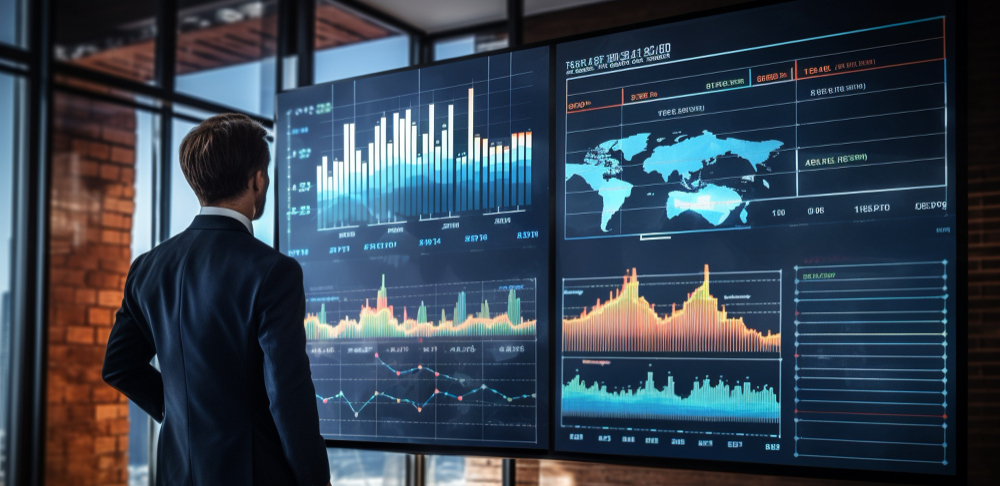
Dubai’s real estate market, particularly in Downtown Dubai and Dubai South, remains robust, with transactions totalling billions of AED in Q2 and Q3 2024 as per market report. The median price of transactions decreased from 120K AED in Q2 to 100K AED in Q3, indicating a shift towards more affordable properties.
According to the expert analysis, the rental market is also strong, with 3K rents in Q3 totalling 41,590,000 AED, showcasing steady demand and a variety of options for renters. The AED/Sq.ft price saw a slight decrease, possibly due to an increase in more affordable properties.
These areas continue to be prime locations for investors and renters, driven by high demand and the allure of a luxurious lifestyle.
Seasonal trends in the real estate market can significantly influence the types and volumes of transactions. In the context of Downtown Dubai and Dubai South, several factors related to seasonal trends might have played a role in the shift from Q2 to Q3 2024:
Tourist and Expat Influx: Dubai experiences a surge in tourists and expatriates during the cooler months, typically from October to March. This influx can increase demand for rental properties as people look for short-term or long-term accommodation. As Q3 moves towards the cooler season, there might be a rise in rental transactions in anticipation of this demand.
Investment Patterns: Investors often take advantage of seasonal trends to buy or sell properties. For example, they might purchase properties in Q2 in anticipation of higher rental demand in Q3 and Q4. Conversely, some investors might sell properties before the peak tourist season to avoid potential vacancies.
Market Sentiment: Seasonal trends can also affect market sentiment. For instance, if there is an expectation of higher demand in the coming months, sellers might list their properties earlier in the year, leading to a shift in transaction types.
Construction Timelines: Many construction projects aim to complete or launch new phases during the cooler months to attract more buyers and renters. This can lead to an increase in new supply hitting the market in Q3, potentially affecting the balance between sales and rental transactions.
Real Estate Events: Major real estate exhibitions and events, such as Cityscape Global, often take place in the latter part of the year. These events can generate interest and activity in the market, leading to more transactions in Q3 and Q4.
Holiday Seasons: The approach of holiday seasons, such as the winter holidays or the Dubai Shopping Festival, can influence market dynamics. People might be more inclined to secure rental properties or make property purchases in anticipation of these events.
Economic Cycles: Seasonal economic cycles, such as end-of-year bonuses or financial planning, can also affect real estate transactions. Individuals might be more inclined to invest in property or finalize rental agreements during these periods.
School Year: Families often look to relocate during the summer months to align with the school year. As Q3 follows the summer break, there might be an increase in rental transactions as families settle into new accommodations.
Understanding the specific impact of seasonal trends on Downtown Dubai and Dubai South would require a detailed analysis of market data, including transaction volumes, property types, and the timing of new developments. However, these factors generally contribute to the seasonal flow of the real estate market in these areas.