Get Free Consultation!
We are ready to answer right now! Sign up for a free consultation.
I consent to the processing of personal data and agree with the user agreement and privacy policy

We are ready to answer right now! Sign up for a free consultation.
I consent to the processing of personal data and agree with the user agreement and privacy policy
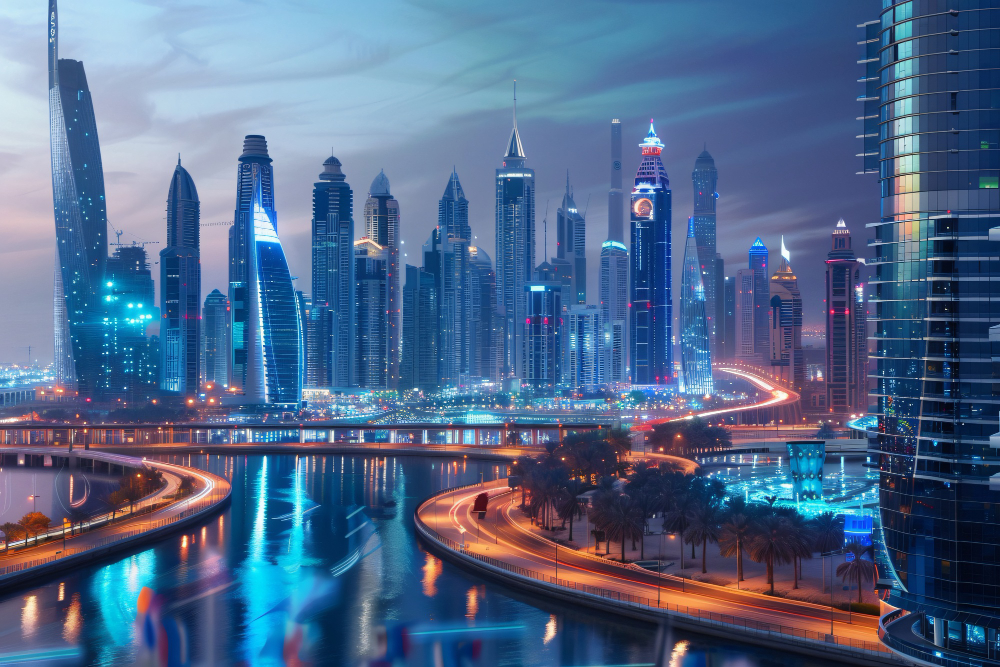
Dubai, a city renowned for its stunning skyscrapers and luxurious lifestyle, is also making significant strides in the logistics and warehousing sector. As the demand for efficient supply chain solutions grows, the relationship between warehouses and the iconic skylines of Dubai is becoming increasingly vital. This article explores how the integration of these two elements is shaping the city’s economic landscape and paving the way for future growth.
The Role of Warehousing in Dubai’s Economy
Warehousing is often the unsung hero of urban development, especially in a bustling metropolis like Dubai. With its strategic location at the crossroads of Europe, Asia, and Africa, Dubai serves as a critical logistics hub. The city’s warehouses are not just storage spaces; they are essential components of a sophisticated supply chain that supports various industries, from e-commerce to manufacturing.
As e-commerce continues to boom, the need for efficient warehousing solutions has never been more pressing. Companies are investing in state-of-the-art facilities that not only store goods but also facilitate quick distribution to meet consumer demands. This shift is transforming traditional warehouses into smart logistics centers equipped with advanced technology, such as automation and real-time inventory management.
Bridging the Gap: Warehouses and Urban Development
The integration of warehouses into Dubai’s urban fabric is crucial for sustainable growth. As the city expands vertically with its iconic skyscrapers, the challenge lies in ensuring that logistics operations can keep pace with urban development. This is where innovative design and strategic planning come into play.
Developers are increasingly focusing on creating mixed-use spaces that combine residential, commercial, and logistics functions. By situating warehouses closer to urban centers, businesses can reduce transportation costs and improve delivery times. This not only enhances operational efficiency but also contributes to a more sustainable urban environment by minimizing the carbon footprint associated with long-distance transportation.
Technological Innovations: The Future of Warehousing
Technology is at the forefront of bridging the gap between warehouses and Dubai’s skyline. The rise of smart warehousing solutions is revolutionizing how goods are stored and distributed. With the implementation of IoT devices, businesses can monitor inventory levels in real-time, optimize storage space, and streamline operations.
Moreover, advancements in automation are transforming traditional warehousing processes. Automated guided vehicles (AGVs) and robotic systems are increasingly being used to handle inventory, reducing labor costs and increasing efficiency. These innovations not only enhance productivity but also allow businesses to adapt quickly to changing market demands.
Sustainability: A Shared Vision
As Dubai continues to grow, sustainability remains a top priority. The integration of warehouses into the urban landscape presents an opportunity to promote eco-friendly practices. Developers are focusing on building green warehouses that utilize energy-efficient technologies and sustainable materials.
Additionally, companies are adopting sustainable supply chain practices, such as optimizing transportation routes and sourcing materials locally. By prioritizing sustainability, businesses can enhance their brand reputation while contributing to Dubai’s vision of becoming a leading global city.
Conclusion
Integrating warehouses into Dubai’s urban development is crucial for economic growth and efficient logistics. Embracing technology and sustainability will create seamless connections with iconic structures, enhancing operational efficiency. This collaboration is key to unlocking new opportunities and driving prosperity in the city.