Get Free Consultation!
We are ready to answer right now! Sign up for a free consultation.
I consent to the processing of personal data and agree with the user agreement and privacy policy

We are ready to answer right now! Sign up for a free consultation.
I consent to the processing of personal data and agree with the user agreement and privacy policy
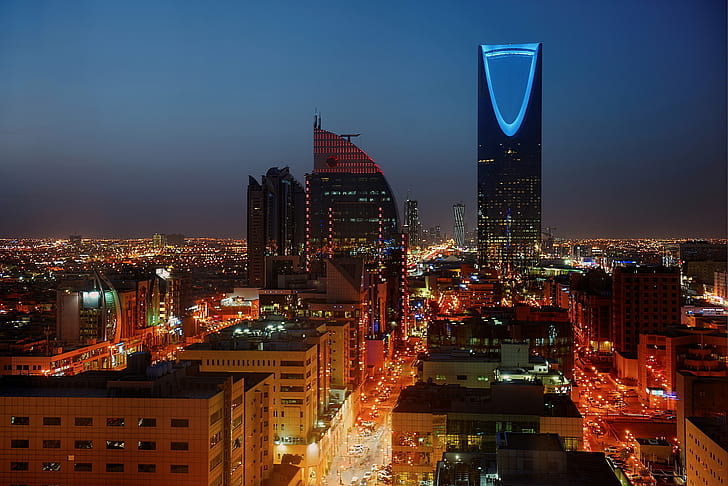
In a significant move aimed at enhancing its real estate market, Saudi Arabia has recently enacted a law that will allow foreign nationals to purchase property in designated areas of Riyadh and Jeddah.
Set to take effect in January 2026, this reform is poised to reshape the landscape of real estate investment in the region, raising questions about its potential impact on neighbouring markets, particularly Dubai. Here are some key factors to consider:
With Saudi Arabia opening its real estate market to foreign buyers, Dubai may face heightened competition as investors evaluate their options. The allure of investing in a market that is actively seeking to attract foreign capital could divert some investment away from Dubai, especially if Saudi Arabia offers competitive pricing or unique investment opportunities.
Investors often seek to diversify their portfolios to mitigate risk. The new opportunities in Saudi Arabia may encourage some investors to allocate a portion of their capital to Saudi properties, potentially reducing their overall investment in Dubai. This shift could lead to a more balanced distribution of foreign investment across the Gulf region.
Saudi Arabia’s structured regulatory framework, which aims to protect local interests while attracting foreign investment, may appeal to investors who prioritize transparency and compliance. If Saudi Arabia successfully creates a favourable investment climate, it could enhance its attractiveness relative to Dubai, which has faced its own regulatory challenges.
If foreign investment in Saudi Arabia surges, it could lead to increased property prices in the Kingdom, making Dubai’s real estate market relatively more appealing for investors seeking value. Conversely, if investors perceive Saudi Arabia as a more lucrative opportunity, it could exert downward pressure on property prices in Dubai.
The perception of Saudi Arabia as a growing and viable market for real estate investment could influence investor sentiment. If foreign investors view Saudi Arabia as a more attractive destination, it may lead to a shift in focus away from Dubai, impacting demand and investment flows.
In the long term, the introduction of foreign ownership in Saudi Arabia could lead to a more integrated Gulf real estate market. As both markets evolve, they may influence each other, with investors considering both regions in their investment strategies.
Conclusion
While it is too early to predict the full impact of Saudi Arabia’s new real estate law on Dubai’s investment landscape, the potential for increased competition and shifting investor preferences is evident.
As Saudi Arabia positions itself as a viable alternative for foreign real estate investment, Dubai may need to adapt its strategies to maintain its status as a premier destination for real estate investment, focusing on its unique strengths and addressing any emerging challenges.