Get Free Consultation!
We are ready to answer right now! Sign up for a free consultation.
I consent to the processing of personal data and agree with the user agreement and privacy policy

We are ready to answer right now! Sign up for a free consultation.
I consent to the processing of personal data and agree with the user agreement and privacy policy
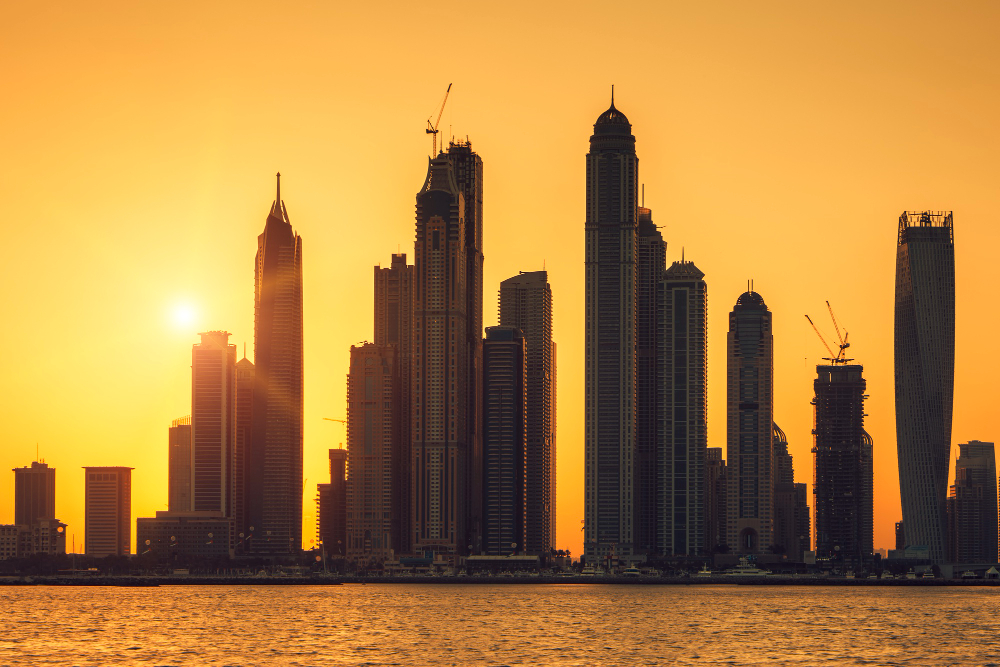
The real estate market in the United Arab Emirates (UAE) has experienced significant transformations, driven by economic diversification, population growth, and government initiatives aimed at attracting foreign investment. Each emirate has unique characteristics and market dynamics, contributing to a diverse real estate landscape. This article explores the real estate scenario in seven key emirate cities.
Current Market Trends
As of late 2023, the UAE real estate market is experiencing a resurgence driven by post-pandemic recovery and increased demand for residential properties in major cities. Government initiatives, such as long-term residency visas and relaxed ownership laws, have further stimulated this demand. Emirates Seven is capitalizing on these trends by launching new projects focused on smart homes and sustainable living spaces.
As the capital, Abu Dhabi features a robust real estate market characterized by luxury developments. A report by Knight Frank indicates that property prices are expected to increase by 5% by 2025, driven by demand for premium properties and government initiatives. Sustainable development is a focus, with projects like Saadiyat Island combining luxury living with cultural and environmental considerations.
Dubai is renowned for its dynamic real estate market, attracting global investors. A 2023 report by JLL projects a 7% annual growth in demand for luxury properties through 2025, fueled by an influx of expatriates and high-net-worth individuals. The city’s iconic skyline and government efforts to promote tourism, including events like Expo 2020, have bolstered the sector, enhancing transparency and investor protection.
Sharjah is known for its cultural heritage and family-friendly environment, making it attractive for affordable housing. A study by Property Finder forecasts a 4% annual growth in Sharjah’s real estate market through 2025, with rising demand for mid-range properties. Developers are focusing on creating family-oriented communities, exemplified by projects like Al Zahia.
Ajman, the smallest emirate, is experiencing growth in affordable housing and community living. According to Bayut, property prices in Ajman are projected to increase by 3% to 5% by 2025, driven by its strategic location near Dubai and Sharjah. The government is promoting real estate investment, leading to new residential and commercial developments, including the Ajman Marina project.
Umm Al-Quwain is characterized by its tranquil environment, appealing to those seeking a quieter lifestyle. The real estate market is developing, with opportunities in residential and leisure properties. A report by Colliers International suggests a growth rate of 4% by 2025, particularly in tourism-related developments. Projects like the Umm Al-Quwain Marina are expected to attract residents and tourists alike.
Fujairah, located on the eastern coast, is known for its stunning landscapes and outdoor activities. The emirate’s real estate market is gaining traction, particularly in tourism and hospitality. A 2023 analysis by Savills indicates a projected growth of 6% annually through 2025, driven by increased investment in infrastructure and tourism projects, such as the Fujairah Beach Resort.
Ras Al Khaimah, known for its diverse landscapes, is gaining popularity for tourism, which is driving growth in its real estate market. A report by Cavendish Maxwell projects a growth rate of 5% to 7% by 2025, focusing on luxury resorts and residential communities. Government initiatives to promote the emirate as a tourist destination are expected to further stimulate the sector.
Conclusion
In conclusion, the UAE’s real estate market is diverse, with each emirate presenting unique opportunities and challenges. From luxury developments in Abu Dhabi and Dubai to affordable housing in Sharjah and Ajman, the sector is evolving to meet growing demand. As the UAE diversifies its economy, the real estate sector is poised for sustained growth and innovation, supported by positive forecasts and proactive government initiatives aimed at fostering investment and development.