Get Free Consultation!
We are ready to answer right now! Sign up for a free consultation.
I consent to the processing of personal data and agree with the user agreement and privacy policy

We are ready to answer right now! Sign up for a free consultation.
I consent to the processing of personal data and agree with the user agreement and privacy policy
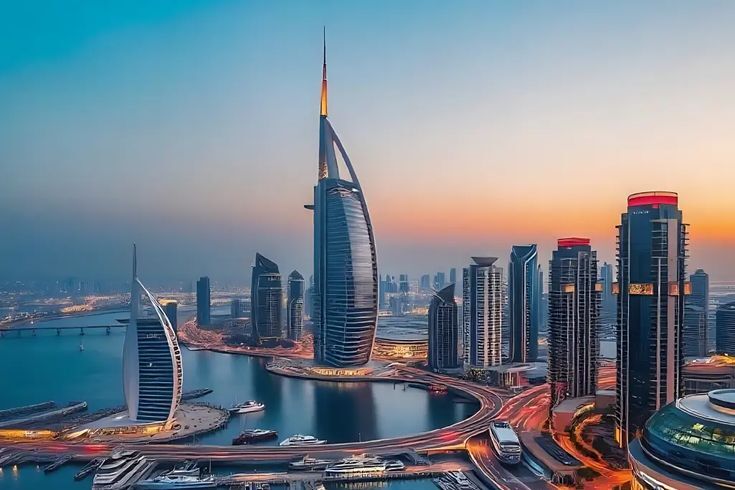
In a significant move towards global expansion, India’s National Buildings Construction Corporation (NBCC) recently made headlines by acquiring a prime piece of land in Dubai for Dh15 million (around $4.1 million). As NBCC embarks on this exciting journey, it opens the door to explore the potential benefits and challenges of expanding internationally, particularly in a vibrant market like Dubai.
NBCC: A Leader in Construction and Project Management
The National Buildings Construction Corporation (NBCC), established in 1960, is a leading public sector enterprise in India specializing in construction, project management, and real estate development. Known for its high-quality infrastructure projects, NBCC has significantly shaped India’s urban landscape across residential, commercial, and institutional sectors.
As a government-owned entity, it is committed to sustainable practices and innovation. With its recent expansion into Dubai’s real estate market, NBCC aims to leverage its expertise to explore new global growth opportunities.
Dynamic Dubai Real Estate Market
Economic Growth and Demand
Dubai’s real estate market is a global investment hub, fueled by rapid economic growth, a diverse population, and a strong tourism sector. The sector is projected to contribute 7% to the emirate’s GDP by 2025, up from 6.5% in 2023. In 2024, the total value of real estate transactions reached Dh280 billion, and it increased to Dh300 billion by the end of 2025. This growth is supported by the UAE’s strategic location, favourable business environment, and government incentives for foreign investors, including 100% ownership and long-term residency visas.
Infrastructure Development
Dubai’s commitment to infrastructure development is a key driver for NBCC’s expansion, with the UAE government allocating Dh100 billion for projects in 2025. This investment will enhance the real estate landscape, including the Dubai Metro expansion and new residential communities, which are expected to boost housing demand.
The construction sector is projected to grow at a CAGR of 6.5% from 2023 to 2026, reaching a value of Dh200 billion. With over 1,000 ongoing projects, this growth presents a significant opportunity for NBCC to leverage its project management and construction expertise.
Challenges of International Expansion
Cultural and Regulatory Differences
While Dubai offers potential investment opportunities, NBCC must navigate complex cultural and regulatory differences in the UAE’s real estate landscape. Understanding local laws and building personal relationships are crucial for successful project execution and compliance. Adapting to these nuances will be essential for NBCC to align with local customs and expectations.
Competition and Market Saturation
Dubai’s real estate market is highly competitive, with over 1,500 active developers expected by 2025. JLL forecasts a slight price correction in 2026, with residential property prices projected to decline by 3% to 5% due to increased supply and economic adjustments. Additionally, the IMF predicts global economic growth will slow to 3% in 2025, potentially impacting foreign investment in Dubai.
Strategic Partnerships and Collaborations
Leveraging Local Expertise
To navigate the challenges of international expansion, NBCC can benefit from forming strategic partnerships with local developers and stakeholders. Collaborating with established players in the Dubai market can provide valuable insights into local practices, regulatory requirements, and market trends.
Such partnerships can also enhance NBCC’s credibility and reputation in the region, facilitating smoother project execution and stakeholder engagement. By leveraging local expertise, NBCC can mitigate risks and increase its chances of success in the competitive Dubai real estate landscape.
Joint Ventures and Investment Opportunities
Joint ventures present another avenue for NBCC to expand its presence in Dubai. By partnering with local firms, NBCC can share resources, knowledge, and risks associated with real estate development. This collaborative approach can lead to innovative projects that cater to the unique needs of the Dubai market.
Furthermore, exploring investment opportunities in Dubai’s burgeoning sectors, such as hospitality and commercial real estate, can diversify NBCC’s portfolio and enhance its revenue streams. The hospitality sector, for instance, is expected to grow at a CAGR of 7% from 2023 to 2026, driven by the increasing number of tourists and business travellers.
The Role of Technology in Real Estate Development
Embracing Innovation
As NBCC enters the Dubai market, embracing technology and innovation will be vital for success in the digitally transforming real estate sector. McKinsey reports that adopting digital technologies can improve productivity by up to 15% and reduce costs by 10% to 20%. By leveraging these advancements, NBCC can enhance project efficiency and quality, positioning itself as a forward-thinking player appealing to tech-savvy investors.
Sustainability and Green Building Practices
Sustainability is crucial in real estate, especially in eco-conscious markets like Dubai, where the UAE aims for 50% of new buildings to be green by 2030. NBCC can stand out by adopting sustainable practices, such as using eco-friendly materials and energy-efficient designs, which will attract environmentally conscious investors. Embracing these trends not only enhances market appeal but also leads to long-term cost savings and improved project outcomes.
The Role of Tokenization and Blockchain in Real Estate Expansion
As NBCC expands into Dubai’s real estate market, adopting blockchain technology and tokenization offers significant advantages. Tokenization allows for fractional ownership and increased liquidity, attracting a wider range of investors. For instance, a property valued at Dh10 million can be tokenized into 1,000 digital tokens, each representing a Dh10,000 share of ownership. This enables smaller investors to participate in high-value real estate projects that would otherwise be out of reach, democratizing access to investment opportunities.
Blockchain enhances transparency and security in transactions, reducing fraud risk and streamlining processes like title transfers. Moreover, the adoption of blockchain and tokenization aligns with the UAE’s vision of becoming a global innovation hub. The UAE government has been actively promoting the use of blockchain technology across various sectors, including real estate, to enhance efficiency and transparency.
Additionally, tokenization can facilitate cross-border transactions, making it easier for international investors to participate in Dubai’s real estate market. For example, an investor from Europe can purchase tokens representing a share in a Dubai property without the complexities of traditional foreign investment processes. This opens up new avenues for capital inflow into the UAE, further stimulating the real estate market.
Conclusion: A Balancing Act of Opportunities and Challenges
NBCC’s entry into Dubai’s real estate market signifies a key step in its international expansion, offering significant growth opportunities. While the market is projected to grow at a CAGR of 5% and the population is expected to reach 3.5 million by 2026, NBCC must navigate cultural differences and competition, anticipating potential price corrections of 3% to 5%. By leveraging data-driven insights and forming strategic partnerships, NBCC can establish a strong presence for future success.
Sources:
Dubai Land Department. (2023). “Real Estate Market Overview.” | Dubai Chamber of Commerce. (2023). “Construction Sector Growth Report.” | JLL. (2023). “Dubai Real Estate Market Outlook.” | McKinsey & Company. (2023). “The Future of Construction: How Technology Can Revolutionize the Industry.” | International Monetary Fund (IMF). (2023). “World Economic Outlook.”