Get Free Consultation!
We are ready to answer right now! Sign up for a free consultation.
I consent to the processing of personal data and agree with the user agreement and privacy policy

We are ready to answer right now! Sign up for a free consultation.
I consent to the processing of personal data and agree with the user agreement and privacy policy
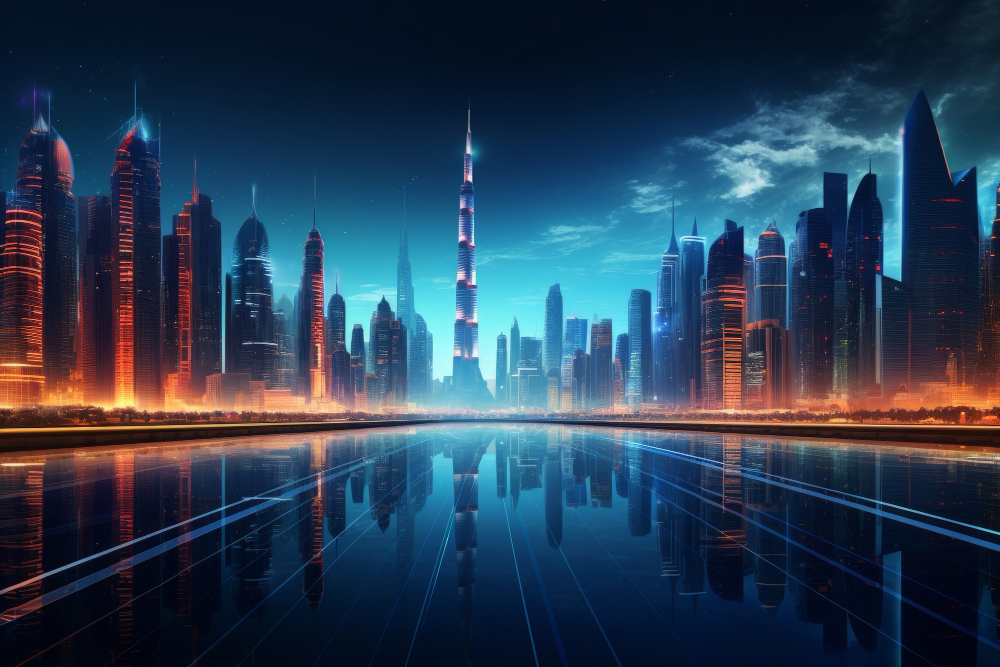
Dubai is not just known for luxury property investment or sustainable community homeownership; its skyline has become a symbol of architectural innovation. The United Arab Emirates (UAE) has overtaken the United States in the race for the tallest buildings, now ranking second globally for the number of supertall skyscrapers—those exceeding 300 meters—according to the Council on Tall Buildings and Urban Habitat (CTBUH). This achievement underscores the UAE’s rapid development and positions Dubai as a leading global city in both architecture and real estate.
The Rise of Supertall Structures
The UAE has over 30 supertall buildings, including the iconic Burj Khalifa at 828 meters, symbolizing its ambition and Dubai’s vertical growth. With over 250 towers exceeding 150 meters, notable structures like Marina 101 and the Princess Tower make Dubai a prime real estate investment destination.
Factors Behind the UAE’s Skyscraper Success
The UAE’s skyscraper success stems from its economic stability and substantial oil wealth, which fund ambitious projects. The country has fostered a favourable business environment, attracting international architects and construction firms. The UAE is recognized for merging engineering expertise with futuristic design, creating high-performance structures that are intelligent, environmentally friendly, and appealing to real estate investors.
Dubai: A Metropolis of Global Significance
Dubai has rapidly transformed from a small Gulf city into a vibrant metropolis, rivalling global cities like New York and Hong Kong. Its focus on diversifying the economy and establishing itself as a center for commerce, innovation, and real estate has been pivotal. Skyscrapers in Dubai are not just buildings; they symbolize economic ambition and national identity.
Challenging US Dominance
The UAE has become the second-most prolific builder of supertall skyscrapers, challenging the historical dominance of the United States in this arena. Currently, over 200 buildings in the UAE exceed 150 meters, with more than 30 surpassing 300 meters. Structures like Marina 101 and Emirates Towers have gained international recognition, attracting global attention and investment in the real estate sector.
Contributions from Other Emirates
Abu Dhabi and Sharjah are also contributing to the UAE’s architectural landscape. Abu Dhabi has seen significant development in sustainable civic and residential structures, while Sharjah is witnessing a new wave of high-rises that combine affordability with modern living, further enhancing the region’s real estate offerings.
Conclusion: Cultural Icons of Transformation
The UAE’s architectural achievements symbolize its openness to international talent and innovation, attracting millions of tourists and investors. As Dubai solidifies its status among the tallest cities, it exemplifies how vision and investment can inspire global aspirations in architecture and real estate.