Get Free Consultation!
We are ready to answer right now! Sign up for a free consultation.
I consent to the processing of personal data and agree with the user agreement and privacy policy

We are ready to answer right now! Sign up for a free consultation.
I consent to the processing of personal data and agree with the user agreement and privacy policy
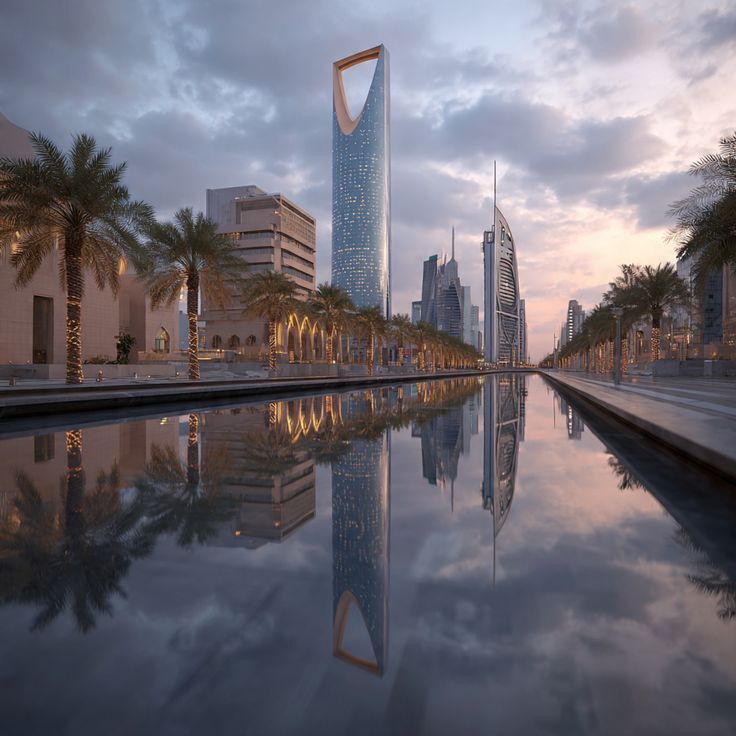
Saudi Arabia’s residential real estate market is no longer moving in one uniform direction. Instead, it’s beginning to tell different stories across cities—each shaped by affordability, policy changes, and evolving buyer expectations.
What we are seeing now is a clear shift from a broad national growth trend to a more localized, strategy-driven market. While Jeddah is holding steady, Riyadh is recalibrating, and Dammam is quietly stepping into the spotlight, offering buyers a compelling alternative.
Jeddah Holds Its Ground with Steady Demand
Jeddah has had a standout year, recording around 30,500 residential transactions and total sales of SAR 36.6 billion. With an average deal size of SAR 1.2 million, the market reflects something increasingly valuable in today’s environment—stability.
What’s interesting about Jeddah is that demand here feels grounded. It’s less about speculation and more about real end-users entering the market. That balance between affordability and lifestyle continues to work in its favor, making it one of the more resilient cities in the Kingdom’s housing landscape.
Riyadh Slows as Affordability Becomes a Key Question
Riyadh may still lead in total market value—recording SAR 96.2 billion in residential sales—but the drop in transaction volumes by 31% tells a deeper story. The market isn’t shrinking; it’s adjusting.
As property prices climb and financing becomes more expensive, buyers are becoming more calculated. The rise in average transaction value to SAR 1.7 million shows that high-end activity is still strong, but for many, affordability is starting to shape decisions more than ever before. Whether it’s delaying purchases or looking beyond the capital, buyers are clearly rethinking their approach.
Dammam Gains Attention as Buyers Look for Value
This is where Dammam starts to stand out. The city has seen residential sales rise nearly 30% to SAR 10.7 billion, and that growth isn’t happening by chance. It’s being driven by one simple factor—value.
For buyers who feel priced out of Riyadh or are simply looking for smarter entry points, Dammam offers a practical alternative. With steady economic activity in the Eastern Province and more accessible pricing, it’s becoming an increasingly attractive option, especially for first-time buyers and mid-income investors.
Policy Changes Are Starting to Make an Impact
Behind the scenes, policy reforms are beginning to shape how the market behaves. The five-year rent freeze is aimed at stabilizing living costs, while changes to the White Land Tax are pushing landowners to develop unused plots. These moves are particularly important for Riyadh, where affordability pressures are most visible. Over time, they’re expected to ease supply constraints and create a more balanced market—one where pricing and accessibility are better aligned.
More Supply Means More Choices for Buyers
Another important shift is happening on the supply side. Riyadh added around 13,000 new units last year, taking total housing inventory to 1.93 million, with much more in the pipeline through 2027. Jeddah and Dammam are also expanding their residential stock.
For buyers, this is good news. More supply doesn’t just mean more options—it also means greater negotiating power. As new developments enter the market, especially in competitive segments, buyers are likely to find better deals and more flexibility.
Opening the Door to International Buyers
Saudi Arabia is also taking a significant step by allowing foreign ownership in designated zones. This change is more than just regulatory—it’s strategic. By opening the market to international investors, the Kingdom is inviting new capital, broader participation, and increased liquidity.
Over time, this could add another layer of stability to the market while also accelerating its evolution into a more globally connected real estate ecosystem.
Conclusion: A Market That’s Becoming More Thoughtful
What’s emerging in Saudi Arabia isn’t a slowdown—it’s a shift toward a more thoughtful and mature housing market. Jeddah’s consistency, Riyadh’s recalibration, and Dammam’s rise all point to one thing: buyers are no longer just following the market, they’re analyzing it.
With policy support, growing supply, and new investment channels opening up, the market is becoming more balanced and opportunity-driven. For anyone looking at Saudi real estate today, the key is no longer just where to invest—but why that city makes sense right now.
Source: Gulfnews.com