Get Free Consultation!
We are ready to answer right now! Sign up for a free consultation.
I consent to the processing of personal data and agree with the user agreement and privacy policy

We are ready to answer right now! Sign up for a free consultation.
I consent to the processing of personal data and agree with the user agreement and privacy policy
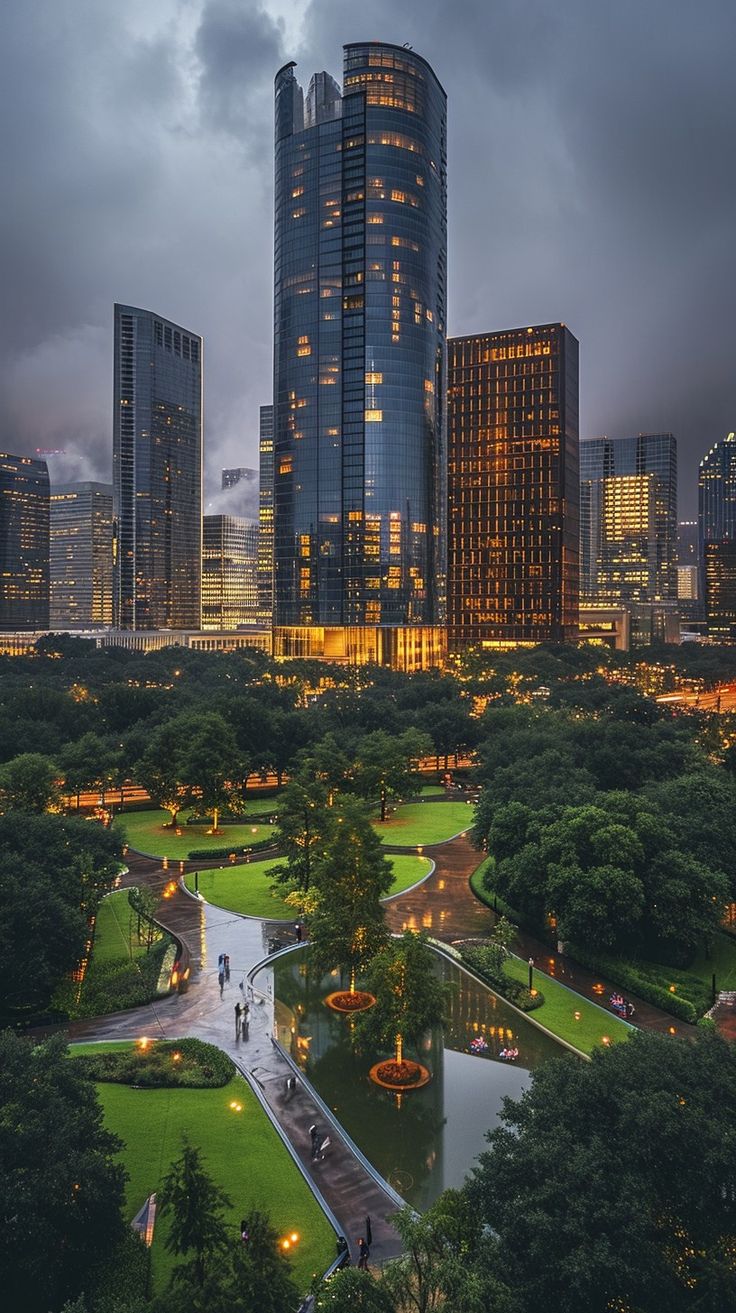
Dubai’s “Work from Park” initiative marks more than just a lifestyle upgrade—it signals a structural shift in how commercial real estate is evolving. As traditional office demand undergoes transformation, initiatives like this are expanding the definition of what constitutes a “workspace.”
This innovative concept from Dubai Municipality is scheduled to open in the month of May at Al Barsha Pond Park. The concept introduces tech-enabled work environments within public parks, effectively decentralizing office infrastructure. For the commercial real estate sector, this is not a disruption—it’s an expansion into new asset classes that blend flexibility, sustainability, and user-centric design.
From Fixed Offices to Distributed Work Environments
The rise of hybrid work has already challenged the dominance of conventional office spaces. Large, long-term leases are gradually giving way to flexible, on-demand workspace solutions. “Work from Park” builds on this trend by introducing distributed work environments that operate beyond commercial towers.
This shift benefits the broader real estate ecosystem by diversifying workspace offerings. Instead of relying solely on office buildings, developers and operators can now tap into alternative formats—open-air work hubs, modular units, and mixed-use public infrastructure. It creates a layered commercial landscape where productivity is no longer tied to a single location.
Activating Public Spaces as Economic Assets
One of the most significant implications of this initiative is the repositioning of public parks as income-generating, productivity-driven assets. Locations like Al Barsha Pond Park are no longer just recreational zones—they are becoming part of the city’s commercial infrastructure.
For real estate stakeholders, this introduces a new category of semi-commercial assets. These spaces can drive footfall, increase surrounding property values, and create opportunities for ancillary services such as retail, F&B, and events. In effect, parks are being integrated into the broader commercial value chain.
Boosting Demand for Flexible Workspace Operators
The initiative also strengthens the position of flexible workspace providers, who are becoming key players in the commercial real estate sector. Platforms like Letswork are central to activating these environments, offering access to hot desks, meeting rooms, and creative studios across locations.
This model shifts value from ownership to access. Instead of leasing entire office floors, businesses and individuals can subscribe to networks of workspaces. For landlords and developers, this creates opportunities to partner with operators and monetize space through usage-based models rather than fixed rents.
Driving Innovation in Construction and Development
From a development perspective, the initiative highlights the growing importance of modular construction. With partners like Group AMANA leading the build process, the use of off-site construction techniques allows for faster deployment, lower costs, and reduced environmental impact.
For commercial real estate, this is a significant shift. Modular development enables rapid scaling of workspace solutions, making it easier to respond to changing demand patterns. It also aligns with ESG priorities, which are increasingly influencing investment decisions across the sector.
Enhancing Value Across Mixed-Use Developments
“Work from Park” also complements the rise of mixed-use developments, a key trend in Dubai’s real estate market. By integrating workspaces into lifestyle environments, the initiative enhances the appeal of residential and retail projects located near these parks.
This creates a ripple effect: properties in proximity to such activated spaces may see increased demand, higher occupancy rates, and stronger long-term value. For investors, it reinforces the importance of location—not just in terms of connectivity, but in access to lifestyle-driven infrastructure.
Aligning with Dubai’s Long-Term Real Estate Vision
The initiative aligns with Dubai’s long-term vision for sustainable growth and economic diversification, transforming parks into multi-functional urban assets that unlock greater value from existing land without relying on extensive new development. It reflects a more evolved urban mindset—where the focus shifts from constant expansion to making existing infrastructure work harder, smarter, and more efficiently.
A New Asset Class in the Making
“Work from Park” isn’t just a concept—it signals the rise of a new commercial real estate category. By blending office functionality with hospitality and public infrastructure, it creates spaces that feel as dynamic as the people using them. For investors and developers, the shift is undeniable: value now lives in flexibility, experience, and integration, as Dubai reimagines the office and unlocks fresh opportunities across the real estate landscape.